Humanistic Pragmatism


“The only thing we have control over in this life is whether we choose to interpret it with compassion or with cruelty.”
If there’s one thread that runs through all my work, from founding clinics and investing in healthcare, to advocating for mental health at the highest levels, it’s this: we must meet people where they are, not where we think they should be.
Like any ethos, while it might sound simple, it can be a lot harder in practice because it involves letting go of preconceived notions. In other words, it means looking past roles, reputations, resumes and even one’s own concept of health or well-being. For instance, what is healthy for one person could be wildly dangerous for another and that idea provokes a great deal of anxiety in all of us. Humanistic pragmatism involves sitting with the nerve-wracking thought that you might not know what someone needs. Instead, you need to believe that they know what they need more than you do, and you might have to first listen to them for a long time before you can have any idea at all how to help them figure that out.
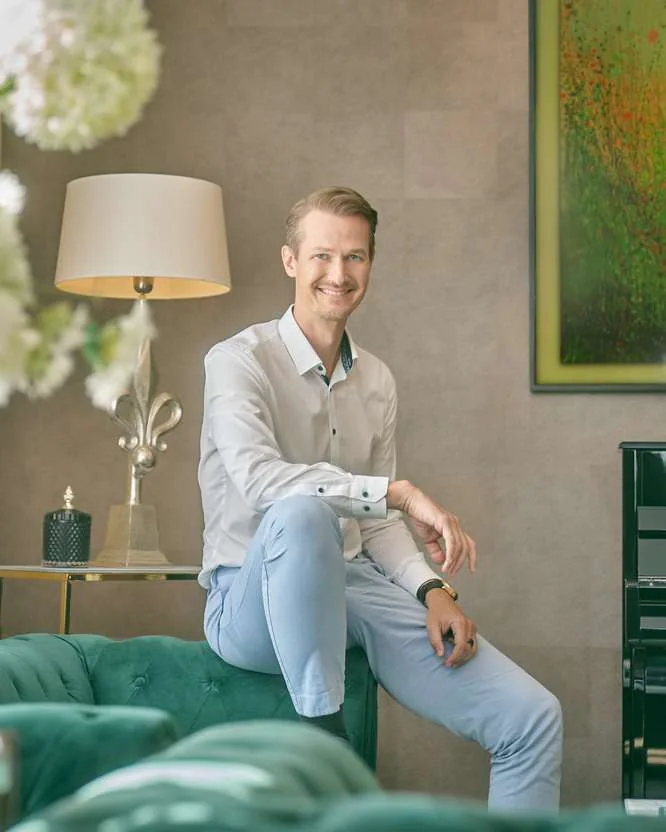
This is what I call humanistic pragmatism.
And it’s the principle that guides everything I do.
But this way of working comes with its own discomforts. Because to truly meet someone where they are, without agenda or assumption, is also to face the unbearable truth that we often know far less than we think we do. That unknowing can be deeply anxiety-provoking. But if we stay with it, rather than rush to resolve it, it becomes the soil in which something real can begin to grow.
topics that matter
Much of my work lives in the conversations we open together. Whether through media, public speaking or research projects, my aim is simple: to make space for clearer understanding and more honest dialogue about mental health, wealth and the human experience.
Media
I speak regularly on how wealth, pressure and social expectation shape our mental health, as well as on addiction, resilience and family dynamics. My work has appeared in The Guardian, The Financial Times, The Daily Mail, The Thunderer column in The Sunday Times, and in my biweekly columns for the Khaleej Times and Gulf News, amongst many others.
Speaker
Whether giving a keynote, joining a panel or speaking at a private event, I focus on the intersection of wealth, stress and wellbeing, and on the emotional realities that often sit behind success.
Paracelsus Stories
Paracelsus Stories began with a simple aim: to show the human experience behind the symptoms. Although fictional, these films are informed by real clinical insight and the situations I have encountered working with ultra-high-net-worth individuals and high-profile families. They reflect the pain, loyalty, shame and isolation that often live in the shadows of wealth but shape our lives in profound ways.
Podcasts
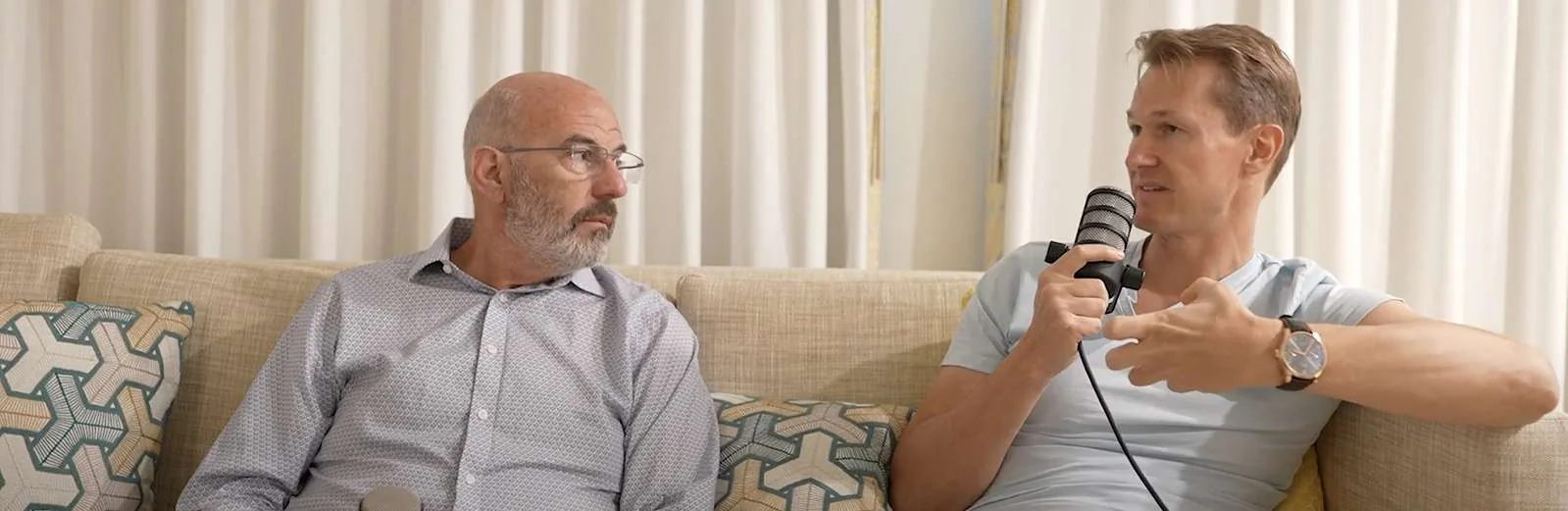
I share my thoughts on mental health, addiction and the pressures surrounding success across a range of podcasts and interviews. My focus is on honest, practical insight rooted in empathy and in approaches that genuinely help the person in front of us.
TV
My television appearances, such as my segments on Sky News, aim to bring grounded, human-centred perspectives on mental health to a wider audience. These interviews focus on demystifying emotional distress and highlighting the pressures that shape our lives today.