Opulomania

As both the founder of Paracelsus Recovery and someone who has indulged in luxury, I’ve seen firsthand how wealth can morph into a trap. Time and again, clients arrive exhausted, anxious, or disconnected, and beneath the surface lies a familiar pattern: using luxury as a measure of self-worth.
We buy for an array of reasons. To feel better, to feel seen, or to feel like we matter. But more often than not, the high doesn’t last, and the emptiness only deepens.
When luxury becomes a craving
Luxury isn’t the problem, it’s our relationship to it. When self-worth becomes tied to what we own, wear, or display, we start using luxury to soothe deeper discomforts: loneliness, shame, fear, or emotional pain that hasn’t yet found an outlet.
What begins as a reward system quickly becomes a dependency. Our dopamine (the brain’s motivation signal) is hijacked. The designer bag, the watch, the car don’t bring fulfilment, but the brief illusion of it. So we chase the next thing, and the next. The crux is that its not the object we want, it’s the feeling we hope it will give us.
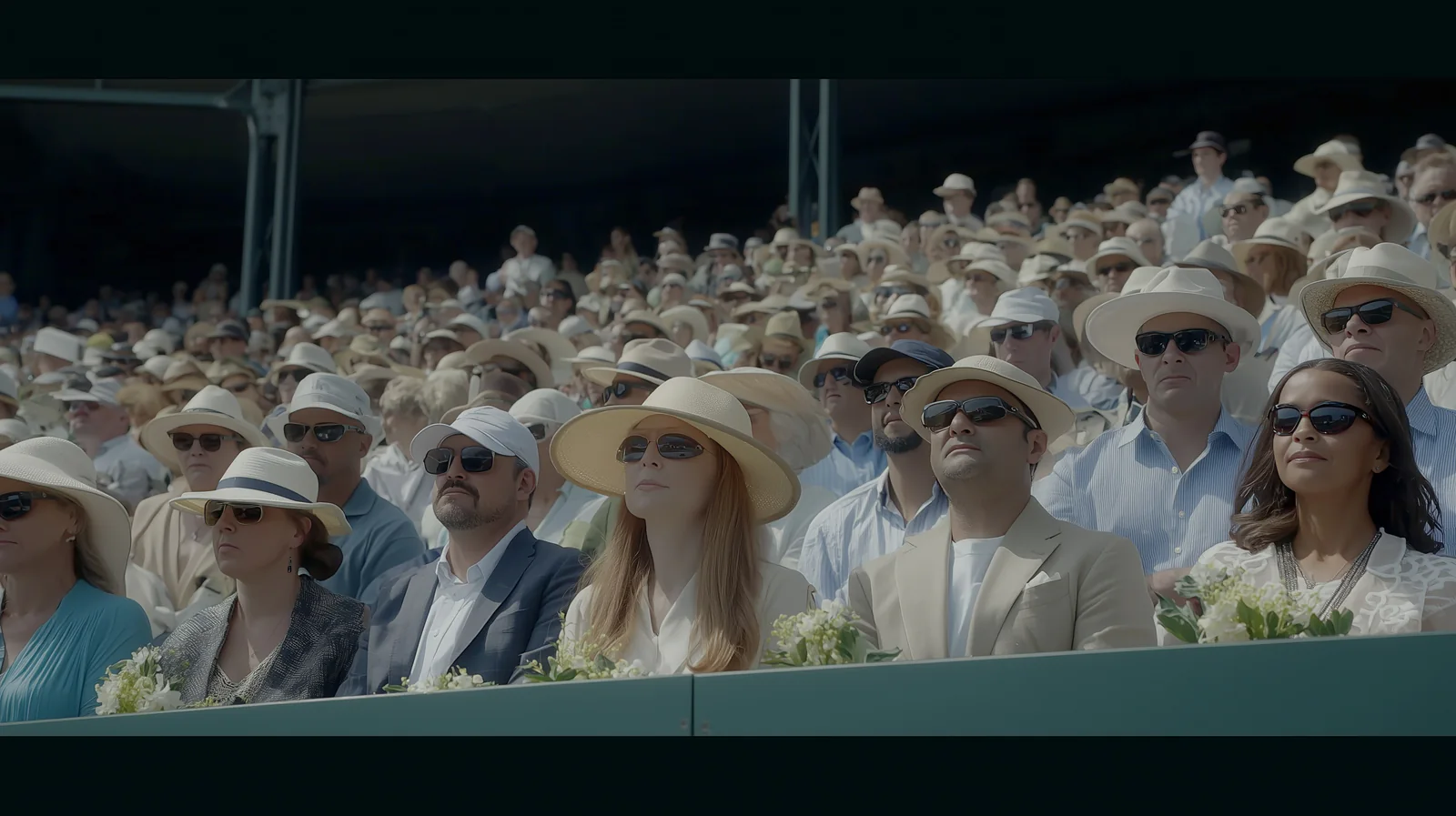
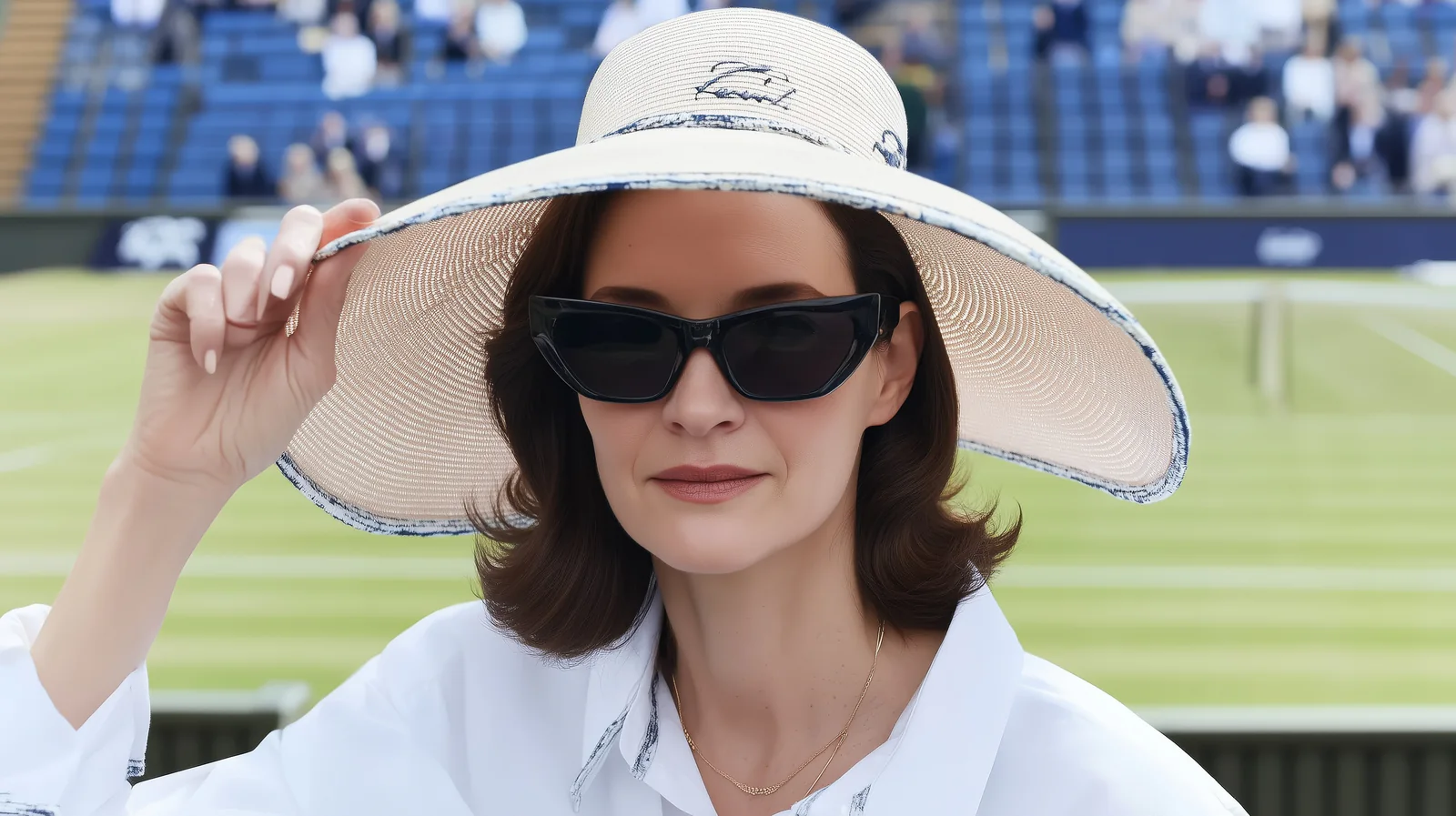
Addiction in disguise
This cycle mirrors any other addiction. There’s a rush of anticipation, a quick high, and a crash. Over time, the thrill fades, and we build tolerance i.e., we need more just to feel normal. A handbag becomes a car. A car becomes a house. And all the while, our baseline emptiness grows louder.
What makes this particular cycle dangerous is how culturally celebrated it is. We’re told it’s aspirational. But for many, it’s compulsive.
We can rewire these patterns
Neuroscience shows that conscious reflection can rewire the brain. When we pause to ask, What do I hope this purchase will make me feel? we create space to meet the discomfort we were trying to escape. That shift, from avoidance to awareness, is what protects us from deeper cycles of addiction and distress.
If you’re unsure how to begin, try asking yourself: What am I grateful for today? What did I enjoy? How does my body feel right now? These small check-ins ground us in the present and gently move us from “I want more” toward “I am enough.”
Read my full column in The Khaleej Times, or check out our Paracelsus Stories film all about how opulomania takes shape.
Here are a few questions and reflections I often share with clients navigating this cycle
Is this just materialism or something deeper?
Often, it’s much deeper. When luxury becomes a coping strategy, it’s usually covering unmet emotional needs: safety, connection, value. It’s not about the object but about what we hope it will mean.
What’s happening in the brain when this happens?
Put simply, it hijacks our dopamine system which is designed to keep us alive. Instead, it starts to reward anticipation, not fulfilment. This means the “high” happens before the purchase, and rarely lasts. Instead of fulfilment, we feel a kind of emptiness or 'crash' which leads to a craving to start the whole process again.
Why does this feel so normal?
Because it is normalised. We’re surrounded by messages equating success with spending. But when you constantly feel the need to acquire more to feel okay, it’s worth asking whether it’s you that’s in control or the cycle.
Can I still enjoy luxury without falling into the trap?
Absolutely. Luxury can bring real pleasure when it’s intentional and grounded in awareness. The key is asking: Am I choosing this from a place of connection or craving?
How can I take the first step?
Begin with reflection. Ask yourself:
- What am I grateful for today?
- What do I already have that brings me joy?
- How do I feel in my body right now?
And if this cycle feels too entrenched or overwhelming, reach out. You don’t need to figure it out alone. There’s nothing shameful about needing support, especially when what you’re dealing with is so often misunderstood or dismissed.
The crux is this: if we focus only on acquiring more, whether it’s status, things, or even a sense of inner peace, we can end up simply shifting the target of our desire, not freeing ourselves from it. We might think we’ve moved beyond wanting recognition or wealth, but in reality, we’re now chasing an illusion of wholeness instead.
But, we can break this pattern when we realise that the goal isn’t to stop wanting altogether. It’s to understand where that desire is being directed and to ask whether it’s truly you doing the wanting, or if it’s coming from something unspoken underneath.